Recent Innovations in Remodeling: How to Select the Right Contractor for Your Home Remodel
In the dynamic field of home remodeling, choosing the right contractor has become more important than ever. As trends move towards sustainable materials and advanced technologies, homeowners face new challenges. Understanding the qualities that distinguish a reliable contractor is essential. Furthermore, effective communication can significantly impact the success of a project. What should homeowners prioritize when evaluating potential candidates? Examining these considerations can lead to a more successful renovation experience.
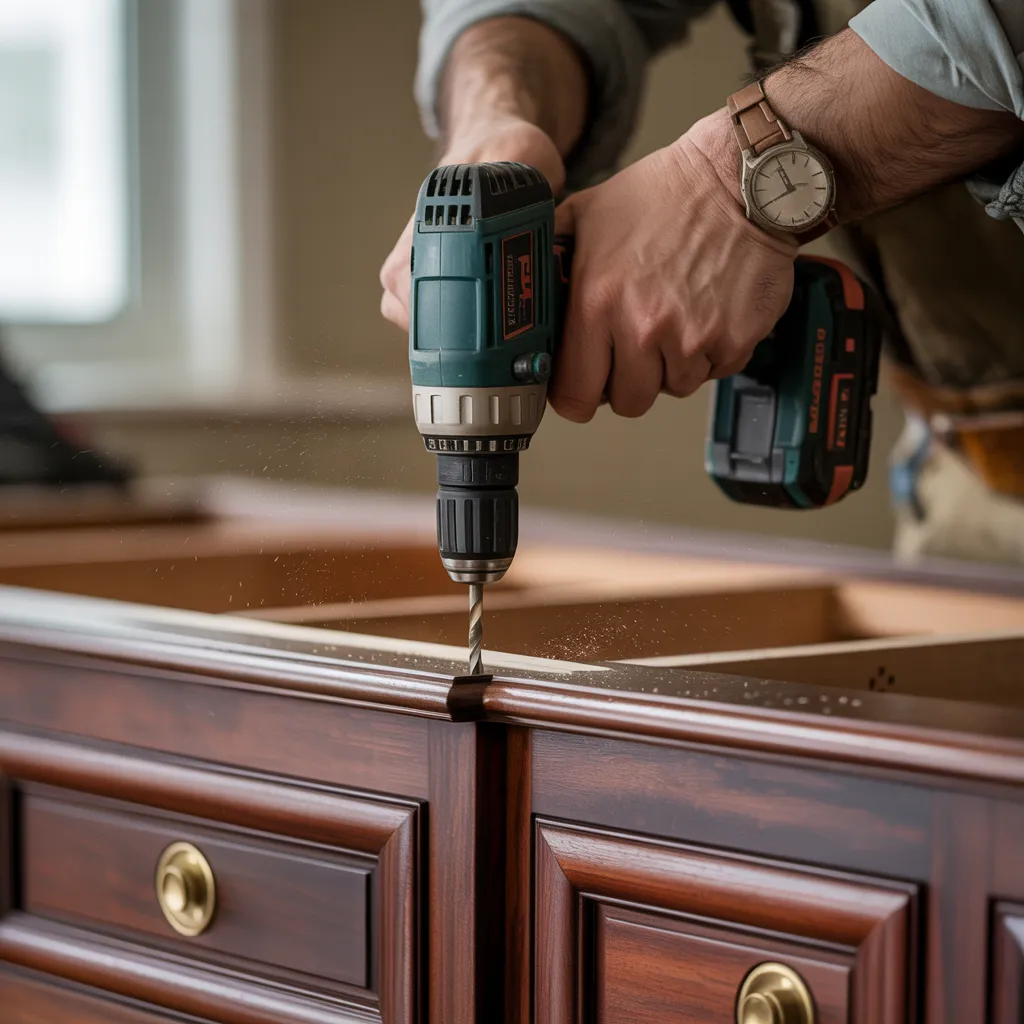
Today's Remodeling Patterns to Keep in Mind
As residential property owners steadily pursue enhancements to their home spaces, current remodeling trends reflect a blend of functionality and aesthetics. One significant trend is the integration of sustainable materials, as eco-conscious choices become more popular. Homeowners are choosing bamboo flooring, recycled glass countertops, and energy-efficient appliances, supporting both environmental responsibility and stylish designs.
Open-concept arrangements remain trendy, facilitating fluid shifts between spaces and maximizing natural light. This trend highlights the importance of creating welcoming environments where family and friends can gather.
In addition, smart home technology is emerging as a staple, with homeowners embracing automation for lighting, heating, and security systems, boosting both convenience and efficiency.
In conclusion, the biophilic design approach, which incorporates natural elements, is gaining traction, encouraging a connection to nature through indoor plants and natural light. These movements highlight a increasing desire for homes that combine beauty with practicality, guaranteeing spaces are not only visually attractive but also livable.
Critical Qualities to Search for in a Contractor
Selecting a contractor for a home makeover requires thorough evaluation of multiple key qualities that can greatly impact the result of the project. First and foremost, a reputable contractor should possess a valid license and insurance, ensuring compliance with local regulations and offering protection against potential see more liabilities. Experience in the exact type of remodeling desired is also essential, as it demonstrates proficiency and familiarity with related projects.
Moreover, a strong portfolio showcasing previous work demonstrates a contractor's craftsmanship and style. Outstanding client testimonials indicate reliability and customer satisfaction, functioning as a valuable resource for prospective homeowners. In addition, transparency in pricing and contracts is essential; a reputable contractor supplies detailed estimates and is upfront about any potential costs. In conclusion, a commitment to quality materials and workmanship is crucial, as it influences the longevity and aesthetics of the completed project. These qualities collectively lead to a successful and satisfactory home transformation.
Communication and Collaboration: Why They Matter
Effective communication and collaboration between homeowners and contractors are essential components that can greatly influence the outcome of a home makeover. A clear exchange of ideas and expectations helps both parties align on the project's vision, timeline, and budget. House owners ought to communicate their preferences and issues while construction specialists must deliver straightforward advice and proposals grounded in their knowledge.
Frequent updates and regular communication promote a teamwork-oriented setting, preventing miscommunication and strengthening trust. When clients are engaged in the decision-making journey, it frequently produces increased satisfaction with the final outcome. Furthermore, a cooperative method enables builders to tackle possible issues quickly, making certain the work remains on schedule.
Ultimately, strong communication and collaboration form a partnership that not only ensures a more streamlined renovation experience but also contributes to the successful fulfillment of a homeowner's vision, making it a vital aspect of identifying the right contractor.
Assessing Contractor Portfolios and References
Property owners should review contractor portfolios and references to verify they are making an informed decision. A contractor's portfolio displays their previous work, offering insight into their style, quality, and experience. Homeowners need to find projects comparable to their own and evaluate the craftsmanship and attention to detail in the pictures.
Moreover, reaching out to references is essential. Talking to past clients enables homeowners to determine the contractor's trustworthiness, communication skills, and ability to meet deadlines. It is prudent to ask targeted questions related to the overall experience, problem-solving competencies, and satisfaction with the final results.
Additionally, customer reviews and ratings can deliver extra information about a contractor's track record. By thoroughly reviewing references and portfolios, homeowners can arrive at a well- educated decision, making certain they choose a contractor who fits their vision and expectations for their home transformation project.
Developing a Financial Plan for Your Home Remodeling Project
Establishing a realistic budget is vital for any home remodeling project, as it serves as the foundation for decision-making throughout the process. Homeowners should start by assessing their financial resources and determining how much they are willing to invest. This includes considering all potential costs, such as materials, labor, permits, and unexpected expenses.
To develop a thorough budget, it is wise to gather multiple estimates from contractors, permitting comparison and well-informed decisions. Homeowners should concentrate on their needs versus wants, making certain that essential updates are handled within the budget limitations.
Moreover, allocating a contingency fund of 10-20% for unanticipated issues can avert financial strain. Routinely evaluating and updating the budget as the project develops will help maintaining financial control. In the end, a well-planned budget not only supports a better remodeling experience but also enables you to accomplish desired outcomes without exceeding financial limits.
Questions & Answers
How Much Time Will My Remodeling Project Take to Finish?
Remodeling project timeframes vary, typically extending from a few weeks to several months. Factors such as project scope, contractor efficiency, and material availability significantly impact the complete project timeline.
What Permits Does My Remodeling Project Need?
For a remodeling project, essential permits usually consist of building, electrical, plumbing, and zoning permits. Local requirements can vary, so it is crucial for homeowners to consult their local building department prior to beginning any project.
Can I Continue Living in My Home Throughout the Renovation Process?
Living in a home during renovations is possible, yet can be challenging. Homeowners should consider safety, noise, and disruptions. Planning ahead and communicating with contractors helps guarantee a smoother experience while maintaining some normalcy.
What Takes Place if I Need to Alter My Design Midway Through the Project?
If a homeowner needs to change their design mid-project, it can create delays and additional costs. Maintaining open communication with the contractor is vital to assess feasibility and adjust plans without compromising the overall timeline.
What's the Best Way to Handle Unexpected Costs During the Remodeling Process?
To address unexpected costs during remodeling, one should engage in timely communication with the contractor, review the budget, investigate alternative solutions, and sustain flexibility. Arranging for contingencies in advance can help lessen financial strain throughout the project.